Biography: Atelier SUN / Andrew Sun

Early Life & Philosophy

Atelier SUN is a Toronto-based multi-disciplinary design studio founded by Andrew Sun. Sun’s studio works at the intersection of architecture, interior design, and furniture, and places a high value on storytelling, materiality, spatial sequence, and the emotional impact of spaces. The studio draws from both Canadian and Asian design influences, aiming for designs that are familiar yet unexpected.

Notable Works

  • The Courtyard House in East York, Toronto: a new detached house characterized by a central, double-height courtyard. It uses natural materials, generous windows/skylight, and integrates outdoor/indoor light and space in creative ways.

  • Harty House, Ajax, Ontario: This is a renovation of an ordinary 1980s “builder home” into a calmer, more minimal, and more refined dwelling. The project incorporates wood millwork, clean spatial reorganizations, floating stairs, subtle finishes, and a careful handling of excessive structural elements in the original house to make them feel part of the design rather than impediments.

Significance & Style

Atelier SUN is part of a recent wave of design firms that focus on renovation / adaptive reuse, interior architecture, and bespoke residences. Their approach emphasizes craftsmanship, material detail, light, and transforming existing homes to better suit how people live now, rather than always building new. They are noted for aesthetic restraint, clarity of space, and sensitivity to context.


Why Buyers Should Inspect Any Home, Even Architect-Designed Ones

Even when a home has beautiful design, high end finishes, or comes from a well-known architect or design studio, there can still be hidden issues — with structure, wiring, plumbing, insulation, etc. Before buying any home, especially those with renovations or custom features, it's wise to get a professional home inspection in Ajax Ontario to uncover any problems that might be costly later. That protects your investment and ensures you’re getting not just beauty, but safety and functionality too.
Biography of Ron Thom (1923–1986)

Ron Thom was one of Canada’s most influential architects of the 20th century, known for his ability to merge modernist principles with warmth and livability in residential design. Born in Penticton, British Columbia, in 1923, Thom originally trained as a painter at the Vancouver School of Art before transitioning to architecture. This artistic background deeply informed his architectural style, giving his buildings a sculptural and expressive quality.

Thom began his career at the Vancouver firm Thompson, Berwick, and Pratt, where he quickly made a name for himself. His early residential projects helped establish the West Coast Modern movement, which emphasized natural materials, open interiors, and a deep respect for the surrounding environment.

One of his most admired works is the Copp House (1950s) in Vancouver, designed with dramatic use of wood, stone, and large windows to frame views of nature. His residential designs often combined comfort and artistry, balancing modernist geometry with organic warmth. Unlike many modernists who favored stark minimalism, Thom’s homes were richly textured, with fireplaces, wood paneling, and thoughtful detailing that made them both elegant and inviting.

Beyond homes, Thom also designed significant cultural and educational landmarks, including Trent University in Peterborough, Ontario (1964–1973), and Massey College at the University of Toronto (1963). These projects cemented his reputation as an architect who could blend form, function, and artistry.

Thom’s life was not without struggles—he was known for being both brilliant and temperamental—but his influence on Canadian architecture remains profound. His work demonstrated that modernism could be warm, human, and deeply connected to place.

For today’s homebuyers considering a Thom-designed house—or any architecturally significant residence—it’s important to remember that even great design needs practical assurance. A professional home inspection is an essential step before purchase, ensuring that hidden structural or mechanical issues don’t undermine the beauty and value of the property.

Ron Thom’s legacy lives on in the unique homes and institutions he created, as well as in the generations of architects inspired by his fusion of artistry and architecture.

Biography of Arthur Erickson (1924–2009)

Arthur Erickson was one of Canada’s most celebrated architects, renowned for his innovative and distinctly modernist approach to design. Born in Vancouver, British Columbia, in 1924, Erickson grew up surrounded by the dramatic landscapes of the West Coast, which later influenced his architectural philosophy. After serving in World War II, he studied architecture at McGill University in Montreal, graduating in 1950.

Erickson’s work is internationally recognized, but in Canada he is especially remembered for his contributions to residential architecture. He designed homes that harmonized with the natural environment, often incorporating large windows, open floor plans, and seamless transitions between indoor and outdoor spaces. One of his most famous residential works is the Eppich House II (1988) in West Vancouver, a striking example of steel-and-glass design set against the lush coastal rainforest. Earlier, his Smith House (1964) on the Vancouver waterfront became a hallmark of West Coast Modernism, with its clean lines and panoramic views of the Pacific.

While Erickson also worked on large-scale projects such as Simon Fraser University (1963–1965) and the Canadian Embassy in Washington, D.C. (1989), his residential designs are beloved for their ability to reflect both the individuality of the homeowner and the beauty of the Canadian landscape.

Beyond his architectural achievements, Erickson was also a teacher, mentor, and advocate for modern Canadian design. His career, however, was not without challenges, including financial difficulties in the later years of his practice. Still, his legacy endures in the form of iconic homes, public buildings, and a generation of architects influenced by his vision.

For homebuyers inspired by Erickson’s residential works—or by any notable architect’s designs—it is important to remember that even a masterpiece should be carefully assessed before purchase. A professional home inspection ensures that structural, electrical, and mechanical systems are sound, protecting both the investment and the homeowner’s peace of mind.

Arthur Erickson remains a towering figure in Canadian architecture, his designs continuing to shape the way Canadians think about living spaces that are both modern and deeply connected to their surroundings.

Artist Biography: Vincent van Gogh


Vincent Willem van Gogh was a Dutch post-impressionist painter whose extraordinary talent and tumultuous life have left an indelible mark on the art world and art history. Van Gogh's expressive style, characterized by bold colors, dynamic brushwork, and emotional intensity, has made him one of the most influential figures in Western art history. Despite his tragic and misunderstood existence, his artistic contributions continue to inspire and resonate with audiences worldwide.

Early Life and Background: Vincent van Gogh was born on March 30, 1853, in Groot-Zundert, a small village in the Netherlands. He came from a family of art dealers, and although he initially worked in the art trade, Van Gogh's true passion lay in creating art rather than selling it. His early works were influenced by Dutch Realism and the somber palette of artists such as Jean-François Millet.

Artistic Journey and Development: Van Gogh's artistic journey began in earnest when he decided to pursue a career as an artist in his late twenties. He studied briefly at the Royal Academy of Fine Arts in Antwerp and later joined the artist colony in Paris, where he was exposed to various art movements, including Impressionism and Japanese prints, which greatly influenced his evolving style.

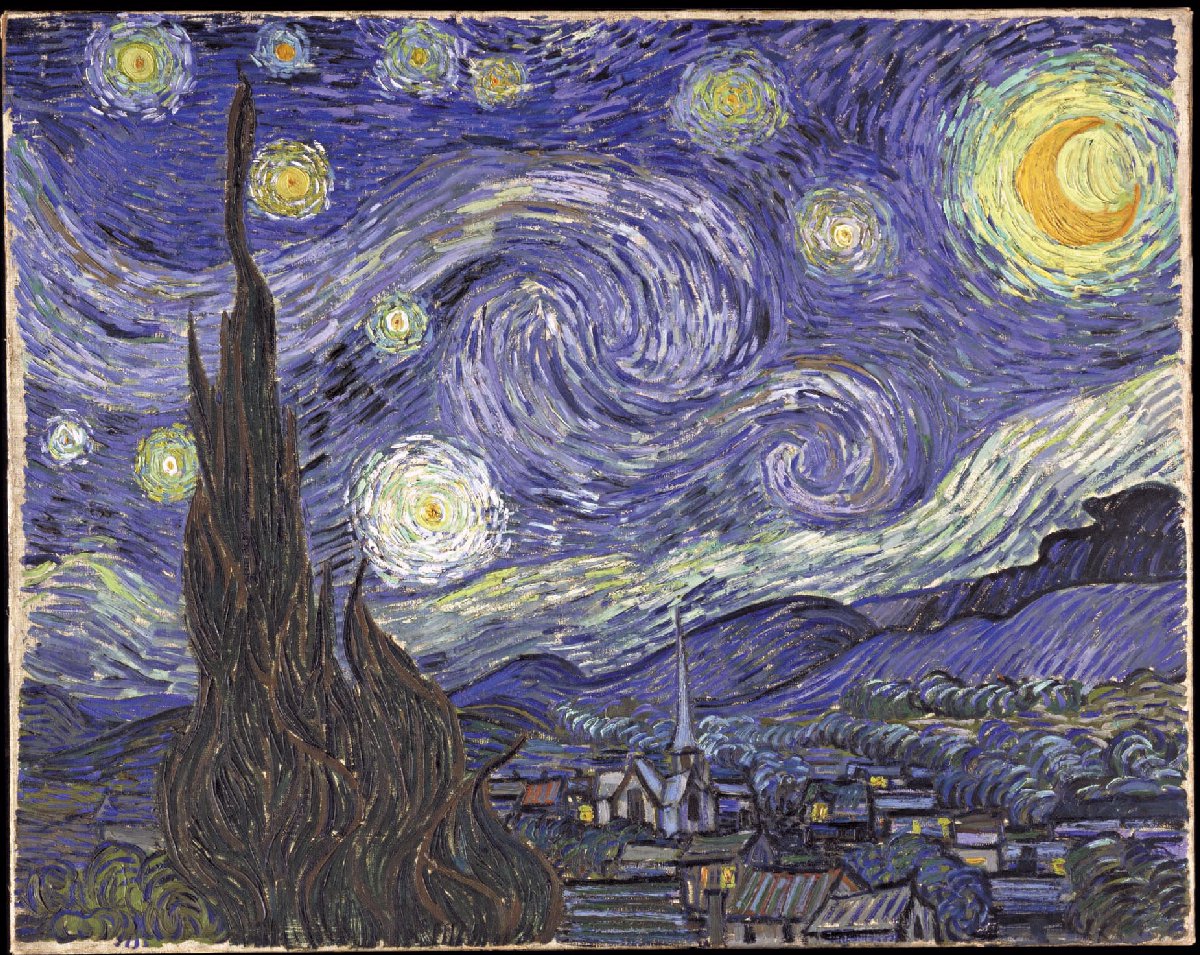
During his time in Paris, van Gogh's palette shifted to brighter and more vibrant hues, and his brushwork became increasingly expressive and energetic. His iconic works from this period, such as "The Starry Night" and "Sunflowers," showcase his unique ability to capture the emotional essence of his subjects through dynamic color combinations and vigorous brushstrokes.

Personal Struggles and Mental Health: Van Gogh's artistic brilliance was often overshadowed by his personal struggles and battles with mental health. He suffered from recurrent episodes of anxiety, depression, and psychosis, which had a profound impact on his life and art. Despite these challenges, his periods of stability were marked by immense productivity and artistic growth.

In 1888, van Gogh experienced a mental breakdown and severed his own earlobe, an event that later became the subject of much speculation and fascination. He voluntarily admitted himself to psychiatric institutions, where he continued to produce a remarkable body of work, including his introspective self-portraits and landscapes.

Legacy and Impact: Tragically, Vincent van Gogh's brilliance was not fully recognized during his lifetime. He struggled with poverty, rejection, and a lack of understanding from the art establishment. It was only after his death in 1890, at the age of 37, that his art began to gain appreciation and acclaim.

Van Gogh's legacy has since become synonymous with the power of artistic expression and the resilience of the human spirit. His art continues to inspire countless artists, art lovers, and individuals worldwide, who find solace and beauty in his vivid landscapes, poignant portraits, and heartfelt self-reflections.

Today, Van Gogh's works are celebrated in major art museums and galleries around the world, with his iconic paintings fetching record-breaking prices at auctions. His profound impact on the art world and his ability to convey profound emotion through his art have secured his position as one of the most beloved and influential artists of all time.

Vincent van Gogh's life may have been plagued by personal challenges, but his artistic genius and unique vision have transcended time and continue to touch the hearts and minds of people across the globe. His bold and evocative style, coupled with his relentless pursuit of emotional truth, have cemented his status as an icon of art history. Van Gogh's legacy serves as a reminder that true artistic expression often springs from deep wells of passion, struggle, and resilience.

A+ Art History Topics for Essay Writing

Art history essays topics that could get you that 'A+'

You should not have to cheat or hire an essay writing company in Toronto in order to get an A+ on your art history essay. There are plenty of topics that can earn you an A or A+ without having to resort to hiring someone else to write you an amazing essay. Do the honest work, put in some serious effort and your professor will know you did it yourself.

Art history is a vast and complex subject. It could take you from the architectural feats of Frank Lloyd Wright which include the Guggenheim Museum to the primitive cave drawings of Lascaux, France. This can make picking your topic a tough decision since there is so much to choose from. What should you do to ensure that you get the grade you want? Here are some tips to help you with your decision making.

Pick a topic that reflects what you have learned.

If you are in a Baroque period class don't start talking about modern architecture as that will be way off topic. Pick a style, artist or feature that fits into that particular period. So for instance you should talk about the use of movement in Baroque paintings, sculpture and architecture. Or you can talk about how Baroque artists were fascinated with the play of lights and darks in their work. If you want to reference another style or period that is not pertinent to the one you are learning ask your teaching first. Also, try to include non-relevant styles and periods so that they in contrast with the period that you are currently learning. For instance, to use the Baroque period as an example, you could contrast it with the previous Renaissance period and their different use of movement, lights and darks, realism and proportion.

Choose a topic that you like.

You will have to write a long (5-20 pages) essay so do not pick a topic you do not find interesting. Pick a topic that you feel connected to and that piques your interest. You could try to find a topic that you want to learn about beyond what you have learned in class. Or you may want to pick a topic that you already have learned about previously and you found interesting. Either way try to ensure that what you are writing about is at least somewhat interesting to you so that you do not feel like it is a chore to write.

Choose a topic that has a lot of scholarly literature about it.

Try to pick a topic that has already been well researched. If you pick an obscure topic you may find it difficult to find materials that will help you support your art history essay. Also, using 1 or 2 books in your bibliography will not make your essay very well researched and it definitely will not get you the 'A+" you want so try to find a topic that has more scholarly muscles behind it. You can use your textbook to start your search for a more prominent topic as textbook usually talk about the subjects most important topics. From there you can continue your research online or in the library where you will be sure to find more information about your chosen topic.

The key to a great any essay is to be clear and concise and the first step to doing that is to get a firm grasp on what your topic is. Your art history essay will be greatly improved if you follow the steps listed above and get an air tight topic to writ about.